
A Restaurant Chef Gets Approved to Build His Business in the U.S.
Case study
A restaurant chef gets approved to build his business in the U.S.
Learn how Ellis Porter built an O-1B petition for Chef Amey Marathe and his U.S. culinary consulting work
- FieldCulinary arts
- CategoryO-1B
- OutcomeApproved
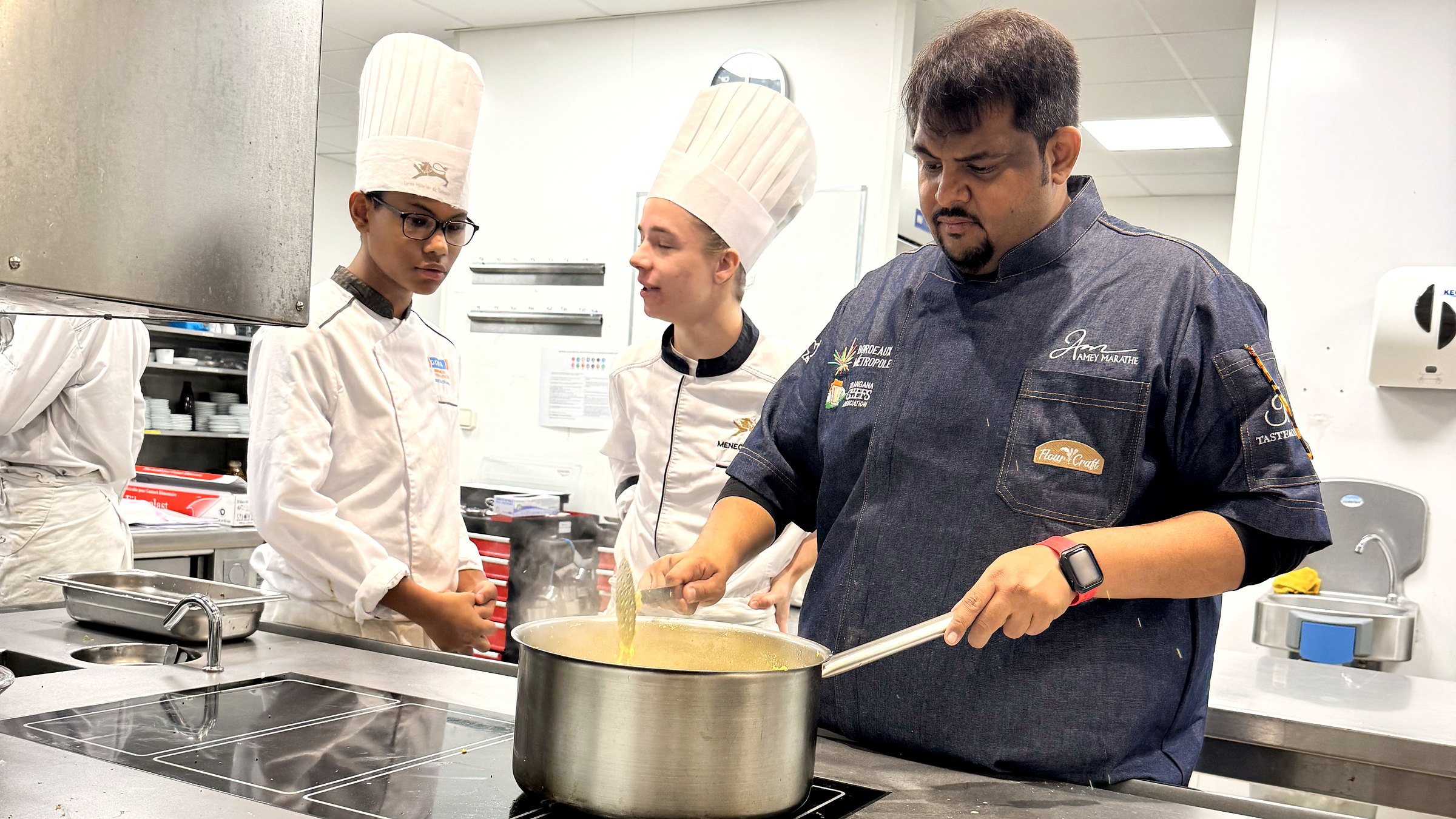
Great food builds reputation. Great systems build businesses. Chef Amey Marathe has spent more than two decades proving both, and Julie P. Levey, Director of Ellis Porter’s O-1 Visa Practice, built an O-1 petition that showed USCIS why his work belongs in the United States.
When Julie first met Amey, he had already built a career most chefs would envy. He had led culinary operations for 48 locations of Paradise, one of India’s best-known biryani brands. He had overseen kitchens across more than two dozen Ohri’s restaurants. And worked with brands such as Hard Rock International and Sun-n-Sand Hotels.
Beyond the kitchen, he spins several plates. He serves as President of the Telangana Chefs Association, which he helped found. He develops restaurant concepts, engineers menus, designs efficient kitchens and trains the chefs who run them.
Amey wanted to bring that work to the United States through his company, Amey Marathe Culinary Ventures LLC, and partner with restaurants across the country. That plan raised two questions. Would USCIS see a chef’s work as the kind of achievement the O-1 is built for? And how do you file one petition for someone who will work with several U.S. clients at once?
“When people hear ‘O-1 visa,’ they often think of actors, athletes or scientists. But chefs fit too. Culinary arts are written right into the regulations.”
Julie P. Levey, Director, O-1 Visa Practice, Ellis Porter
Yes, culinary arts count
The O-1 visa has two main branches. The O-1A covers extraordinary ability in the sciences, education, business and athletics, while the O-1B covers the arts. The regulations define arts broadly: “Any field of creative activity or endeavor such as, but not limited to, fine arts, visual arts, culinary arts, and performing arts.”
The O-1B standard is called distinction. In USCIS’s words, it means the person is “renowned, leading, or well-known in the field of arts.” That’s a different bar from the O-1A, which asks whether someone is at the very top of their field.
To qualify, an O-1B petition needs either a significant national or international award or nomination, or evidence meeting at least three of these six criteria:
- Lead or starring roles in productions or events with a distinguished reputation
- National or international recognition in major newspapers, trade journals, or other publications
- Lead, starring or critical roles for organizations and establishments with a distinguished reputation
- A record of major commercial or critically acclaimed success
- Recognition from organizations, critics, government agencies or other experts in the field
- A high salary or other substantial pay compared with others in the field
The petition also needs an advisory opinion from a peer group or expert in the field.
One petition, several U.S. clients
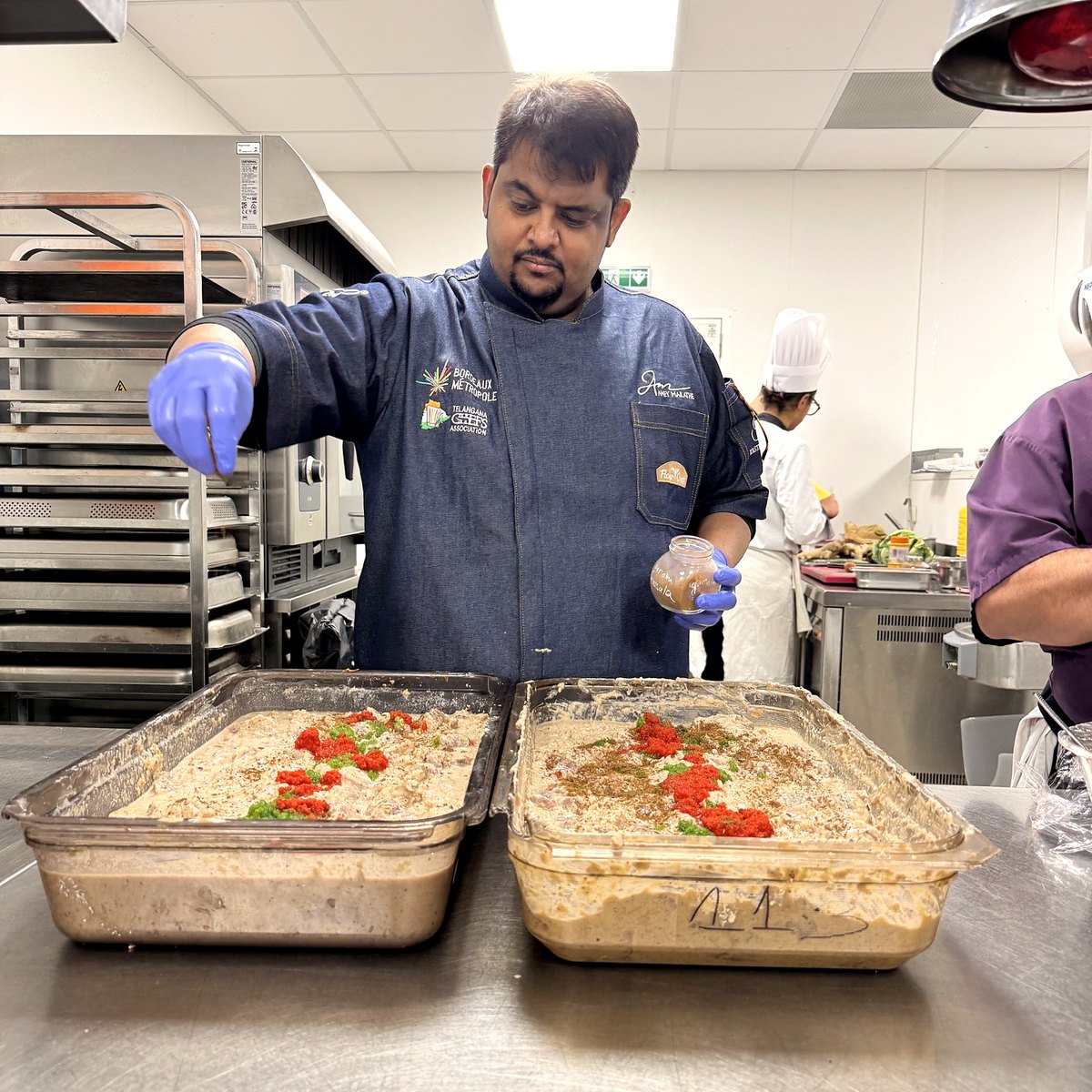
Amey wasn’t coming to work for a single restaurant. He would be consulting for several U.S. restaurant groups through his company. To cover all of that work in one petition, the case was filed through a U.S. agent on his behalf, with an itinerary laying out each engagement.
Julie believes, “Agent petitions are a great fit for people who want to work with multiple different companies in the U.S. But USCIS wants to see exactly what the person will be doing, for whom, and when. The itinerary and job offer letters filed with the petition must tell that story clearly.”
Building the evidence around a culinary career
At filing, Amey’s profile included:
- More than two decades in culinary arts and hospitality
- Head of culinary operations for 48 Paradise restaurants across India
- Leadership of the Telangana Chefs Association, which he co-founded and now leads as President, and a seat on the advisory board of the Indian Federation of Culinary Associations
- Industry awards, including recognition from the Asia Food Congress and the International Institute of Hotel Management
- Coverage in major Indian media, including the Deccan Chronicle, The Hindu and The New Indian Express
- Judging the Indian Restaurant Congress’s Restaurant Awards, plus speaking and moderating roles at major industry events
- Letters from respected experts familiar with his work
“Lots of chefs have great careers. A long résumé isn’t enough on its own. We had to show that Amey’s peers, the press and the industry already see him as a recognized leader. That’s the story the evidence needed to tell,” explains Julie.
So, the petition focused on three things.
Recognition beyond the kitchen: Press coverage, awards, judging and leadership of professional chefs’ associations showed the reach of Amey’s work across the industry.
Critical roles for respected brands: The petition documented the roles Amey played for well-known restaurant groups and the results he delivered.
A real plan for U.S. work: The petition laid out the restaurant openings, menu launches and kitchen training programs Amey would lead in the United States.
The outcome
USCIS approved the petition with premium processing. Amey can now carry out the culinary consulting engagements in his petition, from restaurant openings to new menus and chef training programs, through his own consulting company. Amey didn’t need to fit the mold. He needed a petition that showed what the industry already knew about him.
Is an O-1B right for you?
Are you a chef, restaurateur, or culinary creator with a record of recognition? You don’t need a Michelin star to build a strong O-1B case. What matters is evidence that your peers and the press recognize your work, and a clear plan for what you’ll do in the United States.

About Julie P. Levey
Director, O-1 Visa Practice, Ellis Porter
Julie P. Levey is a senior immigration attorney and Director of the O-1 Visa Practice Group at Ellis Porter, where she leads the firm’s O-1 practice, guides legal strategy, and mentors attorneys. Her work focuses on O-1 visas, EB-1A extraordinary ability petitions, and EB-2 National Interest Waivers for founders, entrepreneurs, artists, athletes, researchers, and other accomplished professionals. She earned her J.D. from Benjamin N. Cardozo School of Law in 2013.
Attorney Advertising. This case study is for general information only and does not constitute legal advice. Prior results do not guarantee a similar outcome. Client details have been shared with permission and may be generalized to protect privacy.
Related Case Studies

Choose your pathway
Take the first step towards your future. Start here.
Self-petition based on my work or achievements
EB-1A · EB-1B · EB-1C · EB-2 NIW · O-1A · O-1B
Family, marriage or citizenship
I-130 · K-1 · I-751 · I-90 · N-400
I'm an employer hiring global talent
H-1B · L-1A · L-1B · E-2 · E-3 · EB-2 PERM · EB-3 · EB-5
Not sure where to start
A few quick questions to point you the right way